Cover courtesy of The Banner of Truth Trust
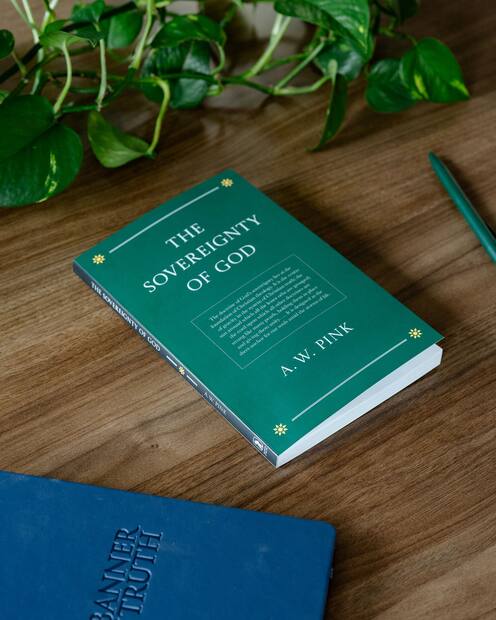
The Sovereignty of God
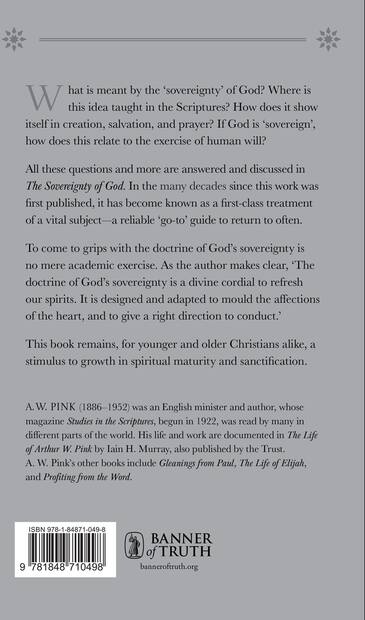
What is meant by the ‘sovereignty’ of God? Where is this idea taught in the Scriptures? How does it show itself in creation, salvation, and prayer? If God is ‘sovereign’, how does this relate to the exercise of human will? All these questions and more are answered and discussed in The Sovereignty of God. In the many decades since this work was first published, it has become known as a first-class treatment of a vital subject — a reliable ‘go-to’ guide to return to often. To come to grips with the doctrine of God’s sovereignty is no mere academic exercise. As the author makes clear, ‘The doctrine of God’s sovereignty is a divine cordial to refresh our spirits. It is designed and adapted to mould the affections of the heart, and to give a right direction to conduct.’ This book remains, for younger and older Christians alike, a stimulus to growth in spiritual maturity and sanctification.
Photographs
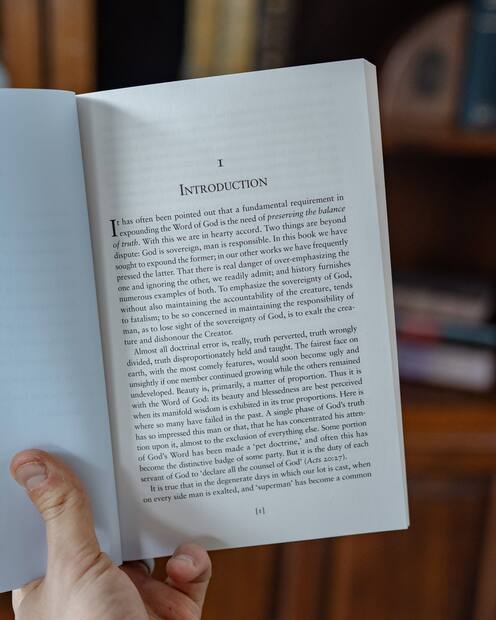
A copy in the collection, so you can check your own against it.

Publication
- Publisher
- The Banner of Truth Trust
- Date published
- Jul 1, 1961
- Print status
- In print
The Physical Book
- Binding
- Paperback
- Dust jacket
- No
- Total pages
- 168 pages
- ISBN-13
- 9781848710498
Reference
- Publisher page
- View at publisher
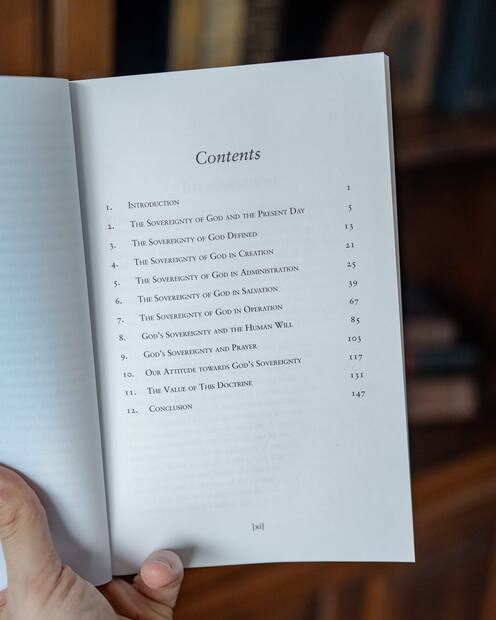
Contents
- 1. Introduction
- 2. The Sovereignty of God and the Present Day
- 3. The Sovereignty of God Defined
- 4. The Sovereignty of God in Creation
- 5. The Sovereignty of God in Administration
- 6. The Sovereignty of God in Salvation
- 7. The Sovereignty of God in Operation
- 8. God’s Sovereignty and the Human Will
- 9. God’s Sovereignty and Prayer
- 10. Our Attitude towards God’s Sovereignty
- 11. The Value of This Doctrine
- 12. Conclusion